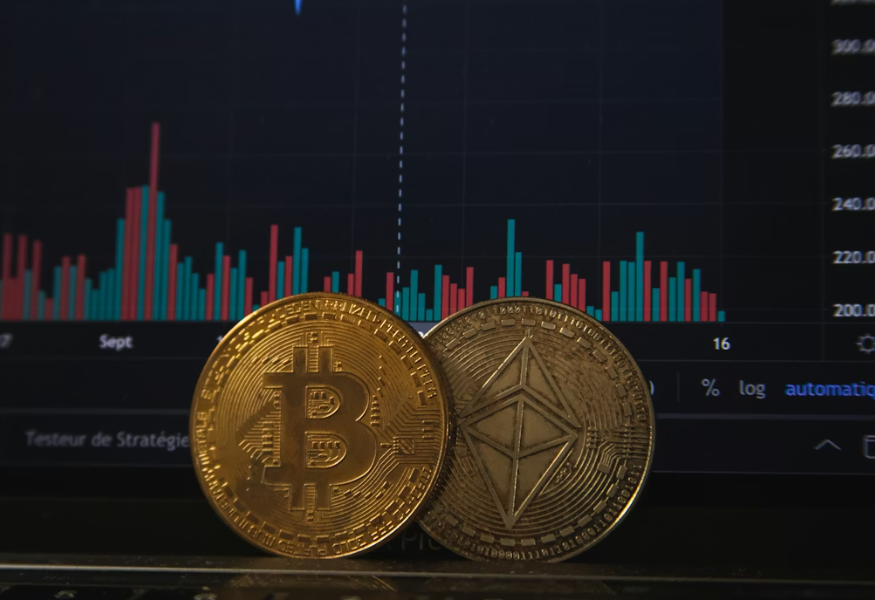
A new era for crypto investments

Solana was once just a niche Layer 1 blockchain, but now it has decidedly emerged onto the international financial scene. Integration between major banks and Solana’s powerful blockchain is bringing crypto and regular finance closer together than before. Because of this, digital asset investing is now looking ahead to an era where the technology is scalable, fast, and practical.
Because evolving markets and investors want more thoughtful and open solutions, blockchain is naturally becoming part of the banking industry. Solana’s work with major institutions matters for both sides, as it will shape future interactions.
At the same time, people’s broader interest in crypto investment is rising, thanks to ETF approvals, the rise of decentralised finance, and strong demand for Bitcoin price updates alongside Solana.
The Bank-Blockchain Connection: Why Now?
Many banks are cautious about new technologies, especially when those technologies may affect their usual models. Lately, a new story has emerged. Financial institutions are no longer deciding if blockchain is worth exploring—they are now working out which partners would be best to work with.
What draws people to invest in and use Solana is that it is both fast and inexpensive. While Bitcoin and Ethereum have had trouble meeting demand at peak times, Solana was designed to process a high volume of transactions without raising costs. Because of these skills, people regard this enterprise as a great option for handling real-world asset tokenisation, promising banks many opportunities.
With blockchain tech providers partnering with Solana, banks can explore applying tokenisation to traditional assets, including bonds, equities, and derivatives. We want to improve the financial system, not replace it with something new.
Since blockchains operate constantly and anywhere, handle data transparently, can be programmed, and reach any country, they handle settling and complying with regulations much better than traditional systems.
Making Real-World Assets Available as Tokens
Solana’s making it possible to use banks for tokenised assets is a significant catalyst for change in the industry. With the traditional system, assets such as real estate, stocks, and government bonds require multiple steps, which causes much delay and high costs. Using tokenisation, digital versions of these assets appear on the blockchain, simplifying things.
With Solana, it gets much more straightforward. For a tokenised bond, issuance, trading, and settlement take minutes, not days, as it does with traditional bonds. Investors may hold fractional stocks, immediately trade their shares on the secondary market, and clearly see their holdings and current value. With blockchain, banks experience lower expenses and can reach a wider range of clients.
It also matters to ordinary investors. Since traditional asset classes are now less expensive and easier to trade, more people can invest small amounts in them. A retail trader might join investors on Solana to buy a part of a commercial real estate asset—something not possible for individual investors before.
The Reason Behind Crypto Becoming Popular
Using Solana will expand beyond the banking industry’s technological foundations. Because the gap between traditional finance and blockchain is shrinking, more institutions are expected to offer services built on blockchain to their customers. This means you might get options like tokenised checking, benefits in crypto through rewards and frictionless movement between fiat and virtual currencies.
The rising popularity of cryptocurrencies makes a strong statement to the market. Because of this faith from institutions, many retail investors are encouraged to learn more about what blockchain technology offers. Because banks now accept Solana, its reputation will increase, much as Bitcoin did when institutions started investing in it.
Bank-released stablecoins, tokenised reward points, and debit cards working on Solana might be other changes we notice. These could improve the ability to use blockchain and attract a much larger number of people to use it daily.
Strong Technical Aspects Are the Basis for Better Financial Integration
Due to its specific design, Solana operates well under high-volume financial conditions. While many blockchains depend on sequential data, Solana creates its transaction log using Proof of History. With these increases, the system can easily support the large amount of data banks use.
Using smart contract automation allows banks to programme assets, handle settlements automatically, and check compliance rules without staff intervention. Speed and data are crucial in finance, so these capacities are needed, not just welcomed.
In addition, Solana’s list of developers, providers of technical resources, and financial apps is growing larger. Because of these solid community networks, banks and businesses can use these solutions without doubt, since the blockchain system is constantly advancing and improving.
Today and the Future
As expected, there will be difficulties ahead. The lack of clear rules continues to be a problem for blockchain adoption in the finance industry.
Banks will continue to encounter new legal rules as they carry out tokenisation and set up blockchain solutions. Keeping data safe is still very important. Knowing Solana’s technology, it is vital for services dealing with money to be well-defended from hacks and vulnerabilities.
Solana’s link with leading banks goes beyond an agreement; it confirms that future finance will be secure, open and fast. Once institutions start using blockchain technology, the whole investing world can change. Tokenisation will offer investors faster transactions and wider opportunities and banks will experience less expense and better efficiency.
As traditional finance and crypto work side by side, rather than against one another, Solana takes a key position in these sectors. Because it is fast, easily expandable and designed for developers, it makes ideas that once seemed science fiction a reality. This trend will eventually cause crypto to replace speculative tech and become the mainstay of the financial sector.
link