Blockchain’s Impact on the Global Food Supply Chains

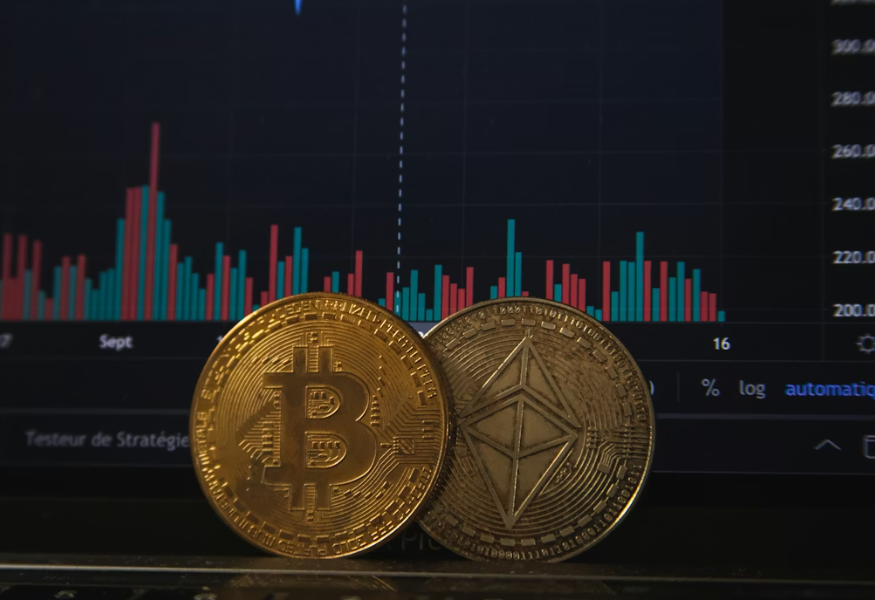
Amid the expansion of cryptocurrency into today’s financial markets, many industries are focusing their attention on the infrastructure that supports it. Blockchain technology could present a unique opportunity for modern supply chains, potentially creating an unexpected impact in the agriculture industry. If this direction persists, the Bitcoin price live may establish a connection to the global food supply.
Tracking Bitcoin and the Supply Chain
In the same way that the blockchain tracks updates to the bitcoin price live, the technology could potentially create transparency across food supply chains. Inefficient food networks aren’t a mere inconvenience, but a legitimate risk for communities around the world. If the accuracy offered by blockchain technology can improve accessibility, reduce food waste, or enforce safety standards, it may be worth exploring.
The Bitcoin price may seem like a simple metric to provide, but ensuring its accuracy requires advanced solutions. By relying on the blockchain technology that makes this tracking possible, the agriculture industry may be able to reconcile the various elements of its existing infrastructure. This way, matters of sustainability, food waste, and environmental and regulatory standards could be handled effectively through decentralized verification mechanisms.
From Field, to Crypto, to Table
Unlike the Bitcoin price, the global food supply chain is reliant on physical transportation networks that add a new layer of complexity. Blockchain technology could present a way to track a given product from its origin to various hubs, to its destination in the market, with real-time data updates. As a given crop moves from one place to the next, automatic entry into the blockchain ledger could contribute to enhanced transparency, not only for farms and grocery stores, but for the customers.
By looking at the blockchain’s immutable record, customers and businesses alike could potentially gain valuable insight into how food arrives on the plate. For instance, a customer might examine a ledger and find how long it took a certain item to arrive in stores, and whether that length of time means that a product is still safe for consumption. Similarly, businesses could tighten supply chains to enhance efficiency and reduce operational costs.
“For big food companies (…) this journey is carefully tracked using ERP systems, automated quality checks, and internal audits. Yet even these robust systems face a blind spot: multi-tiered suppliers and small farmers,” an article stated. “Ensuring the safety, authenticity, and certification of produce from these suppliers is a daily challenge.”
A Focus on the Local Produce
Perhaps most importantly, access to the blockchain ledger could potentially build a customer’s trust in local produce over mass-produced goods, much as it has done for the bitcoin price live within global finance. Accessibility is essential, but traditional food supply chain infrastructure prioritizes well-known brands that are more verifiably safe for consumption, whether truly accurate or not. By improving trust in local produce, the blockchain could benefit both customers and local farms while supporting regional economic development.
Smart Contracts for Supply Chains
Many blockchains are built on smart contracts, digital agreements between parties that are automatically fulfilled when certain conditions are met. As small farms are increasingly required to connect with global markets to ensure long-term success, blockchain technology could help to simplify this process. At the same time, it might introduce a valuable element of transparency into each exchange.
Perhaps most importantly for small businesses and large enterprises working together, the blockchain’s immutable ledger could potentially reduce disputes and paperwork. In the same way that the blockchain ensures an accurate record of changes to the bitcoin price live, so too does it maintain transparency for contract conditions. If implemented properly, no one side of an exchange can modify conditions alone.
“This is where blockchain is making a difference,” Agarwal continued. “By providing a shared, immutable ledger, it enables all participants in the supply chain, such as farmers, aggregators, processors, and retailers, to record, verify, and share data about a product’s origins, certifications, and journey.”
Bitcoin and Supply Chain Growth
By connecting small farms to global markets, the blockchain could potentially help these essential local businesses to more fully integrate into financial marketplaces. Cryptocurrency is increasingly becoming a viable method of exchange in the global financial ecosystem; if local farms are willing to adopt the technology, it could create new opportunities. Crypto-backed loans, for instance, could be a boon for success.
Moving forward, a connection to the blockchain has significant potential to introduce accountability into food supply chains. With heightened transparency, customers, farmers, and enterprises alike could be better able to understand where food comes from and how it arrives on the table. Certainly, this dynamic could lead to greater trust and better connections within the industry.
Investing involves risk and your investment may lose value. Past performance gives no indication of future results. These statements do not constitute and cannot replace investment advice.
The information provided in this article is for general informational and educational purposes only. It is not intended as legal, financial, medical, or professional advice. Readers should not rely solely on the content of this article and are encouraged to seek professional advice tailored to their specific circumstances. We disclaim any liability for any loss or damage arising directly or indirectly from the use of, or reliance on, the information presented.
link