How Crypto is Changing the Cross-Border Game

For millions of people, sending money back home, sometimes to another country, is a must, making the bitcoin price USD important. It’s somewhat of a lifeline that supports faraway households and keeps local economies going. But for a long time, this process has been slow, expensive, and often impossible for people without bank accounts.
“Worldwide, officially recorded international migrant remittances were projected to exceed $483 billion in 2011, with $351 billion flowing to developing countries,” F&D Magazine reports. And that flow of money is only growing. But now, because of digital currencies like Bitcoin, global money transfers have become faster, cheaper, and widely available.
The Blockchain Advantage
Chopping Down Fees
One of the upshots of using digital money for sending remittances is how much it cuts down on fees. Traditional services such as bank and wire transfers will sometimes charge high fees and use poor exchange rates that hide the true cost. Often, these fees-within-fees can take a big bite out of the amount you are sending a loved one, leaving less for them to receive, while sending money with crypto can cost a fraction of that price. The savings are good for families who depend on these transfers, and it often means more of their hard-earned money is making it home. And because these transfers use blockchain technology, there are fewer middlemen, which helps keep the cost down and cut out many institutional fees.
Getting Money to Parts Unknown
Additionally, in many parts of the world, especially in developing nations, a large number of people simply don’t have access to traditional banking. This exclusion can make it hard or impossible to receive funds from a family member, such as a migrant worker, who makes money abroad. Crypto offers a workaround for this. Additionally, Bitcoin and other digital assets are becoming more widely used in areas where banks are scarce. All a person usually needs is a basic smartphone and internet connection to set up a digital wallet. This kind of accessibility means people who were previously left trying to figure out how to receive funds from a family member can participate in the international flow of money.
Transfers on the Run
Traditional international transfers can be frustratingly slow, with them sometimes taking days to complete. For instance, these types of processes often involve multiple banks and networks, each adding delays and layers of complexity. When money is urgently needed, this waiting period can be a problem. Blockchain technology, the system behind cryptocurrencies, lets transfers happen almost instantly and can be tracked every step of the way, but without all of the extra banks in the middle. Once a transfer begins, it can be quickly confirmed and recorded on a public ledger, allowing both the sender and receiver to see exactly where the money is at all times.
The Darker Downside
The Problem with Volatility
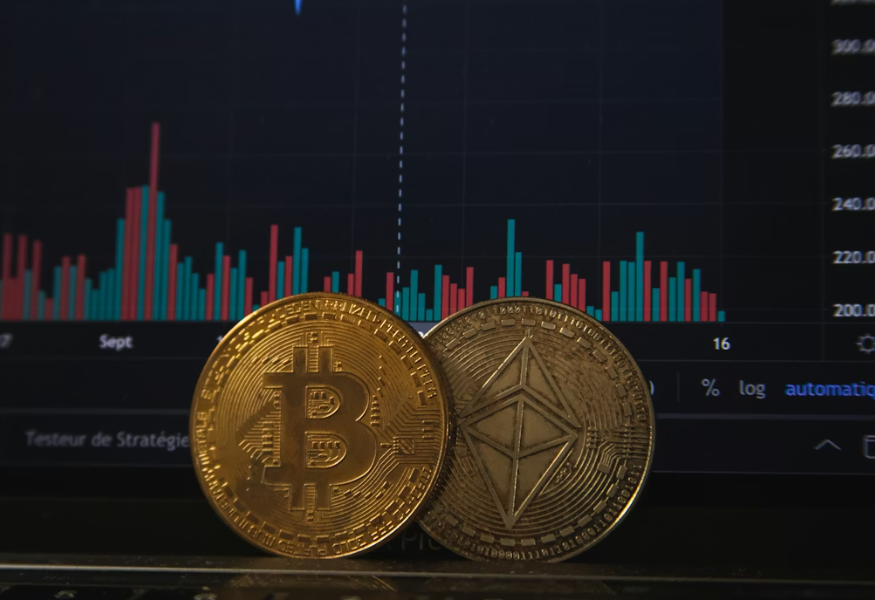
Although the rise of cryptocurrencies has been exciting, there are downsides to utilizing it, too. The price of many digital assets, such as Bitcoin, can change a lot from day to day, or even hour to hour. The asset’s volatility is a fair concern for anyone who uses it, particularly when planning family finances, where bills need to be paid in full and on time. Sending money only to have its value drop significantly before the recipient can use it adds an unwanted risk. Stablecoins are digital currencies that are linked to a stable asset. They were made to solve this problem and make cross-border payments more predictable. Stablecoins that are pegged to the dollar can be useful for people who are worried about price changes because they offer the speed and low cost of blockchain technology while still having a stable value.
Other Problems to Solve
Another problem that needs to be fixed is regulatory uncertainty. This is because the legal status of cryptocurrencies can be very different from one country to the next, and rules that change quickly can make it hard for both senders and service providers to follow them. Add to that the barrier of ease of use and adoption. While accessibility is improving, the technical learning curve for setting up and managing a digital wallet and then transitioning money to a local currency remains intimidating for non-technical users, as are bitcoin scams. Internet access can also elude those who are digitally isolated or whose tech is unreliable. And finally, though transaction fees are often lower than traditional systems, they can still spike unexpectedly during periods of high network congestion, and that can erode the cost-saving advantage of using blockchain. As a result, crypto transfers should be an important topic of discussion among families before being implemented.
Getting Money Home When it Counts
Because they are inexpensive, fast, and accessible to more people, the case for crypto’s role in remittance is growing. But it’s important to remember that the technology is new, there are still glitches and small challenges to be worked out, and it’s not yet a perfect system. But as the technology continues to mature and local and international rules catch up, the digital currency model may just become the modern way to send money internationally, helping to make the process fairer and more efficient for more people.
Investing involves risk and your investment may lose value. Past performance gives no indication of future results. These statements do not constitute and cannot replace investment advice.
The information provided in this article is for general informational and educational purposes only. It is not intended as legal, financial, medical, or professional advice. Readers should not rely solely on the content of this article and are encouraged to seek professional advice tailored to their specific circumstances. We disclaim any liability for any loss or damage arising directly or indirectly from the use of, or reliance on, the information presented.
link