Collaborating Across Disciplines: Abigail Mphephu’s Engineering Leadership

In the rapidly evolving world of automotive technology, the most groundbreaking solutions often emerge at the intersections of disciplines. Engineering no longer functions in isolated silos of hardware, software, or user experience. Instead, true innovation happens when these fields converge — guided by leaders who understand the value of collaboration, compliance, and inclusivity. One such leader is Abigail Mphephu, whose engineering leadership embodies this interdisciplinary spirit.
The Need for Cross-Disciplinary Engineering
As vehicles become increasingly complex, blending advanced driver-assistance systems (ADAS), electrification, and digital interfaces, no single engineering discipline can drive success alone. Software developers must work alongside hardware engineers to ensure seamless integration. UX designers must align with regulatory requirements to guarantee that interfaces are both intuitive and compliant. Regulatory teams must engage with innovators early in the process to ensure safety and ethical standards are not an afterthought but a core design principle.
This is where Abigail Mphephu excels. With a strong vision for bridging multiple domains of expertise, Mphephu ensures that all stakeholders move toward a shared goal: vehicle technologies that enhance lives responsibly and sustainably.
Leadership in Software and Hardware Integration
Modern vehicles are more than machines; they are rolling computers. The software controlling critical systems — from navigation to braking — must operate seamlessly with physical components. Any misalignment could compromise safety, efficiency, or user experience.
Abigail Mphephu has cultivated a reputation for ensuring software-hardware synchronization at every stage of development. By fostering open communication between coders and mechanical engineers, Mphephu prevents common integration pitfalls that plague many large-scale projects. The result is not only smoother performance but also reduced costs and faster time-to-market, as fewer errors arise during testing.
Elevating UX Design in Mobility Solutions
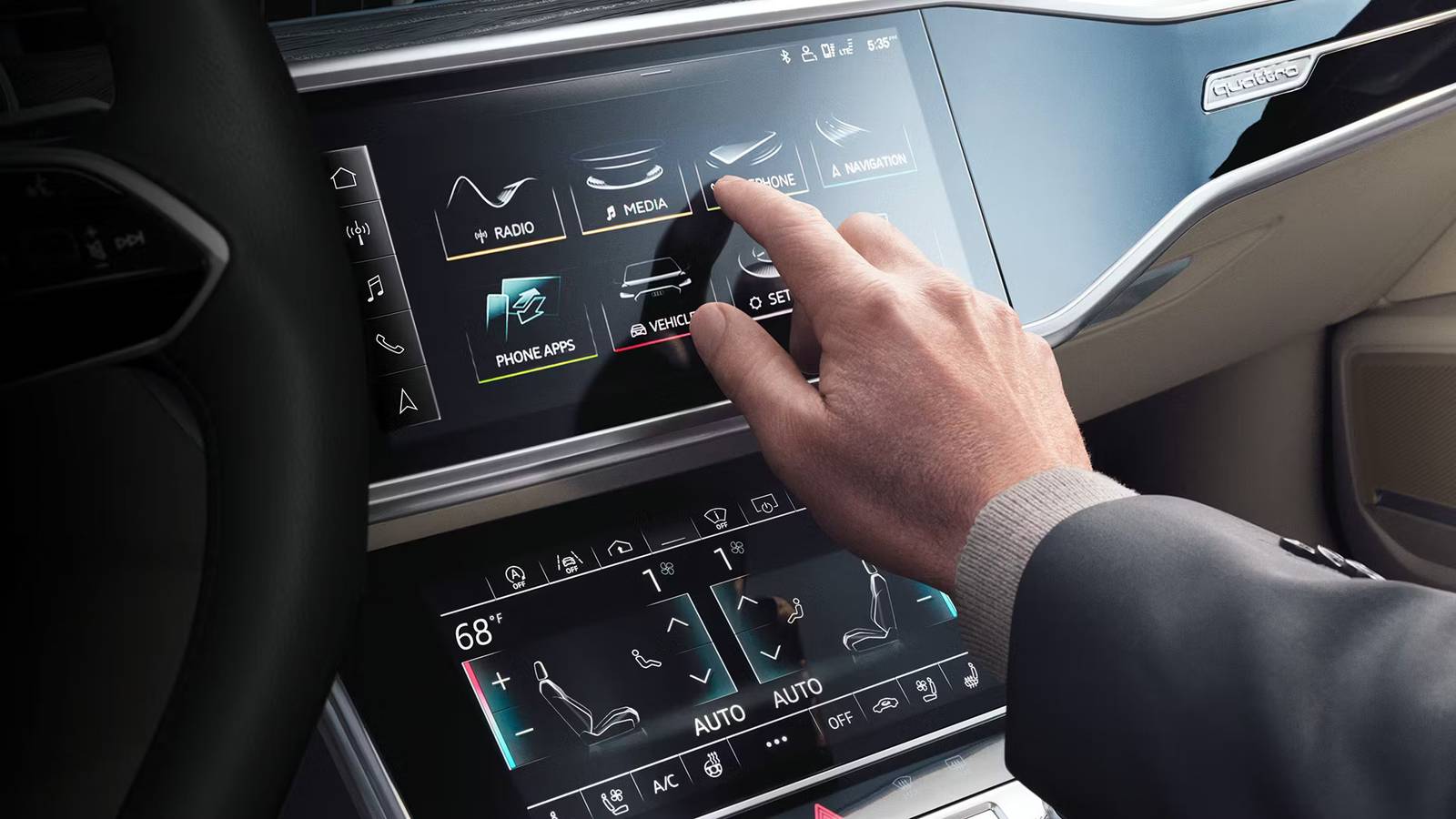
User experience (UX) is no longer a “nice-to-have” in the automotive industry. As dashboards become digital, and vehicles increasingly rely on smart systems, driver interaction with technology must be intuitive, inclusive, and distraction-free.
Mphephu’s leadership extends to championing UX teams within traditionally hardware-dominated environments. By emphasizing adaptive design — such as interfaces for differently-abled drivers or simplified layouts for older demographics — Mphephu ensures that mobility solutions are accessible to a broad range of users. This inclusivity not only aligns with ethical values but also opens new market opportunities, creating vehicles that serve more diverse communities.
Transparent Collaboration with Regulatory Bodies
Regulatory compliance is often seen as a hurdle to innovation, but Mphephu reframes it as a strategic advantage. Rather than treating safety and emissions standards as boxes to tick, every project under Mphephu’s guidance is designed to exceed these benchmarks. This proactive approach builds trust with regulators, fosters smoother approval processes, and instills confidence in end-users.
In practice, this means extensive testing, transparent reporting, and frequent communication with oversight bodies. By creating systems that set new industry standards rather than merely meeting minimum requirements, Mphephu raises the bar for ethical engineering.
Driving Inclusive and Equitable Mobility
Perhaps one of the most defining aspects of Abigail Mphephu’s leadership is a commitment to inclusive mobility. The automotive industry has historically focused on profitability and mass-market appeal, sometimes at the expense of accessibility or affordability. Mphephu challenges this norm by ensuring that innovations are designed with equity in mind.
Whether it’s adaptive driving technology for people with disabilities, cost-conscious solutions for emerging markets, or safety features tailored for urban commuters, Mphephu insists that engineering must serve society in its entirety — not just elite consumers. This philosophy aligns with the broader push for mobility as a human right, where transportation is viewed as essential to economic opportunity, healthcare access, and social participation.
Building Collaborative Teams for Lasting Impact
Cross-disciplinary collaboration is not just about putting experts in the same room. It requires leadership that fosters respect, communication, and shared purpose across diverse fields. Mphephu’s collaborative ethos emphasizes:
- Breaking down silos: Encouraging engineers, designers, and regulators to engage in ongoing dialogue rather than sequential handoffs.
- Promoting transparency: Sharing data, challenges, and solutions openly to create a culture of trust.
- Prioritizing societal impact: Anchoring every innovation in the question: “How does this improve lives?”
This leadership style ensures that projects are not only technically successful but also ethically sound and socially impactful.
Future-Ready Leadership
As the industry shifts toward electric vehicles, autonomous driving, and sustainable design, the need for interdisciplinary leaders like Abigail Mphephu will only grow. These technologies bring not only engineering complexity but also ethical challenges around data privacy, environmental impact, and equitable access.
Mphephu’s approach — blending technical expertise with ethical foresight — positions them as a blueprint for future engineering leaders. By holding technology accountable to human values, Mphephu demonstrates that progress and responsibility can, and must, coexist.
Conclusion
Engineering today is not just about building machines; it’s about shaping the way people live, move, and connect. Abigail Mphephu’s engineering leadership thrives at the crossroads of disciplines, integrating software, hardware, UX, and regulatory frameworks into cohesive, ethical innovations. More importantly, Mphephu proves that collaboration and inclusivity are not barriers to progress but the very engines that drive it.
In an era where technology often races ahead of ethical reflection, Mphephu stands as a powerful reminder: the future of mobility must be as responsible as it is innovative.
link