Jeffrey Lux of NJ, on How Hands-On Automotive Education Is Shaping the Next Generation of Technicians
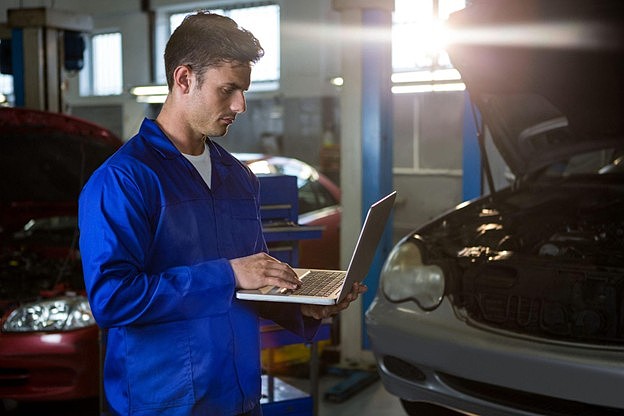
As vehicles become increasingly complex, the automotive industry is experiencing a shift that goes far beyond traditional mechanical repair. Jeffrey Lux of NJ reflects a new generation of technicians preparing for this evolution through education that blends hands-on mechanical training with modern diagnostic and electrical expertise. Today’s vehicles rely as much on software and electronic systems as they do on engines and transmissions, reshaping how technicians are trained and how they think about problem-solving.
Currently enrolled as a full-time Automotive Technology student, Jeffrey Lux of NJ is developing skills that align with where the industry is headed rather than where it has been. His training emphasizes adaptability, technical precision, and a deeper understanding of how modern vehicles function as integrated systems.
Jeffrey Lux of NJ and the Shift Toward Technology-Driven Diagnostics
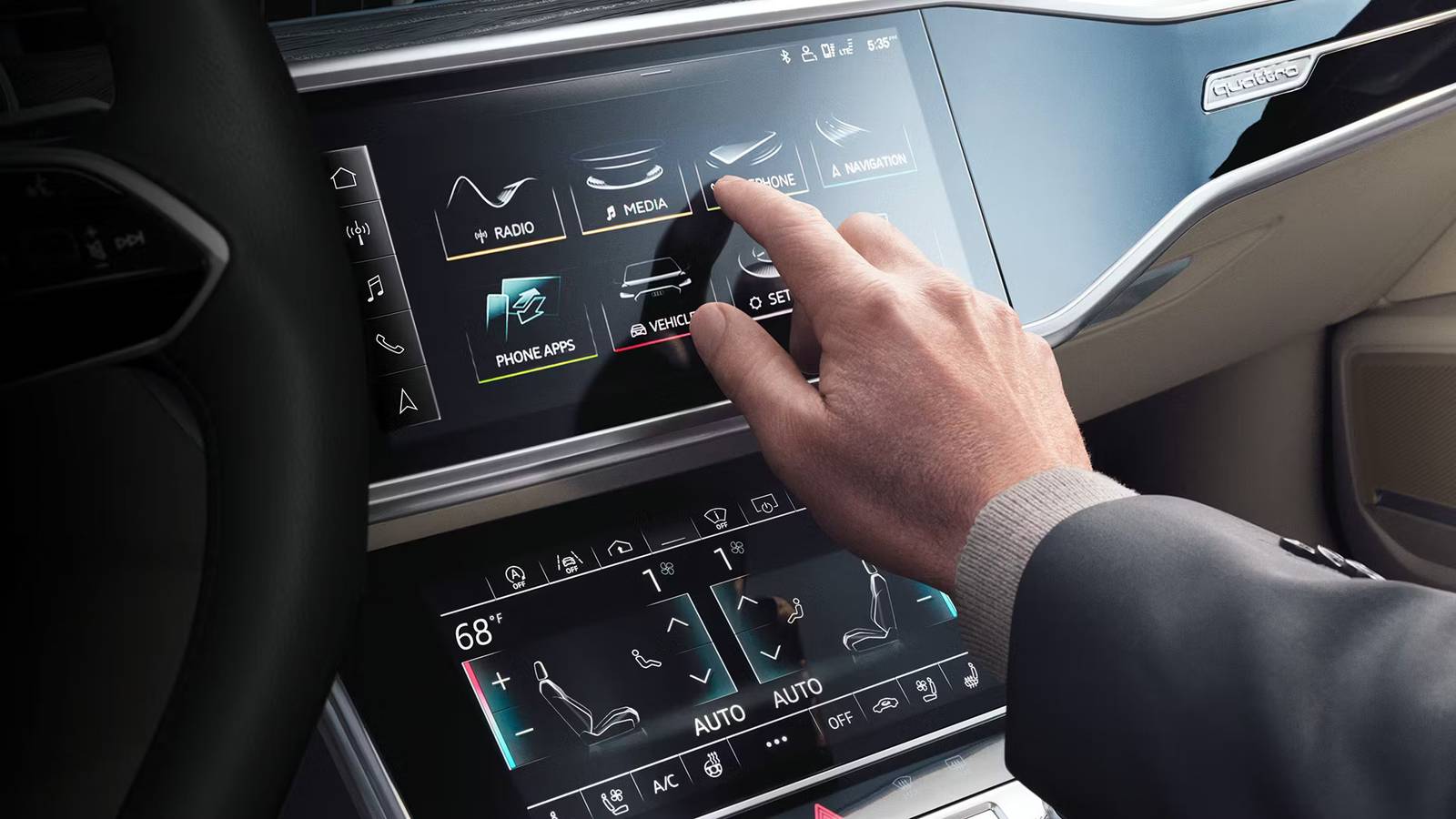
One of the most significant changes in automotive service is the reliance on computerized diagnostics. Jeffrey Lux of NJ is learning how modern vehicles communicate through onboard systems that continuously generate data. Understanding how to interpret that data has become a core responsibility for today’s technicians.
This diagnostic-first approach allows technicians to identify issues that may not be visible during a physical inspection. Sensors, control modules, and software-driven systems now influence everything from engine performance to safety features. For students like Jeffrey Lux of NJ, mastering diagnostic tools is essential to working effectively on today’s vehicles.
In addition to diagnostics, Jeffrey Donald Lux gains practical experience performing essential services such as oil changes, tire alignments, and tire repairs. While these tasks are foundational, they reinforce how routine maintenance supports long-term vehicle health and system efficiency.
Balancing Mechanical Fundamentals With Electrical Systems
A defining element of modern automotive education is balance. Jeffrey Lux of NJ is trained not only to understand engines and drivetrains but also to work confidently with electrical and electronic systems. Mechanical fundamentals remain critical, especially when learning how engines generate and transfer power.
At the same time, the rise of electric and hybrid vehicles has increased the importance of electrical expertise. Battery systems, electronic braking, and power management are now standard components of many vehicles. Through hands-on coursework, Jeffrey Donald Lux builds familiarity with these systems early, preparing for an industry that increasingly values versatility.
Heating and air conditioning systems also play a role in this training. Climate control now integrates sensors and software designed to optimize comfort and efficiency. Exposure to these systems helps students understand how multiple vehicle components interact.
Education as a Response to Industry Change
The automotive workforce faces growing demand for technicians who can adapt to rapid technological change. Vehicles are lasting longer, but their systems are becoming more complex. Jeffrey Lux of NJ represents a broader trend among students who view education as an ongoing process rather than a one-time credential.
Training today emphasizes critical thinking and adaptability alongside technical skill. As software updates and advanced driver-assistance systems become standard, technicians must be prepared to learn continuously. Jeffrey Lux of Ramsey, NJ, reflects this mindset by focusing on both current technologies and core mechanical principles.
This approach aligns with the industry’s need for professionals who can evolve alongside the vehicles they service.
Preventive Thinking and Modern Automotive Training
Preventive maintenance has become a central theme in automotive service. Instead of reacting to breakdowns, technicians are increasingly expected to identify issues before they escalate. Jeffrey Lux of NJ is trained to recognize how small inconsistencies can lead to larger system failures if left unaddressed.
Data-driven diagnostics and routine system evaluations support this preventive mindset. By understanding how components interact, technicians can provide more accurate recommendations and build trust with vehicle owners. Jeffrey Donald Lux benefits from training that connects classroom theory with real-world application.
Preventive thinking also contributes to sustainability. Well-maintained vehicles operate more efficiently, require fewer repairs, and reduce overall environmental impact.
Preparing for a Career in a Changing Industry
The role of the automotive technician continues to expand. Jeffrey Lux of NJ is preparing for a career that requires knowledge of mechanical repair, electronic diagnostics, and integrated vehicle systems. This combination creates opportunities for those willing to invest in comprehensive training.
As vehicles continue to merge mechanical engineering with digital technology, technicians who can navigate both areas are increasingly valuable. Jeffrey Lux of Ramsey, NJ, highlights how NJ-based automotive education is adapting to meet these demands by emphasizing hands-on experience and technical depth.
This preparation positions graduates to contribute meaningfully in an industry defined by innovation and complexity.
Hands-On Learning as a Foundation for Long-Term Success
Hands-on training remains essential in automotive education. Jeffrey Lux of Ramsey, NJ, benefits from an environment where theory is reinforced through practical application. Working directly with vehicle systems not only builds confidence but also reinforces problem-solving skills that textbooks alone cannot develop.
This practical foundation supports long-term career growth. Technicians who understand how systems work together are better equipped to handle new technologies as they emerge. Jeffrey Donald Lux represents a generation of professionals entering the field with both technical competence and adaptability.
Looking Ahead
As the automotive industry continues to evolve, education will play a defining role in shaping its workforce. Jeffrey Lux of NJ reflects on how hands-on, technology-focused training prepares technicians for current demands and future advancements. By combining mechanical fundamentals with diagnostic expertise, modern automotive education is redefining what it means to be a skilled technician.
Through continued learning and practical experience, Jeffrey Lux of Ramsey, NJ, embodies the shift toward professionalism, precision, and long-term thinking within automotive careers. This approach ensures that the next generation of technicians is ready to meet the challenges of an increasingly complex transportation landscape.
link